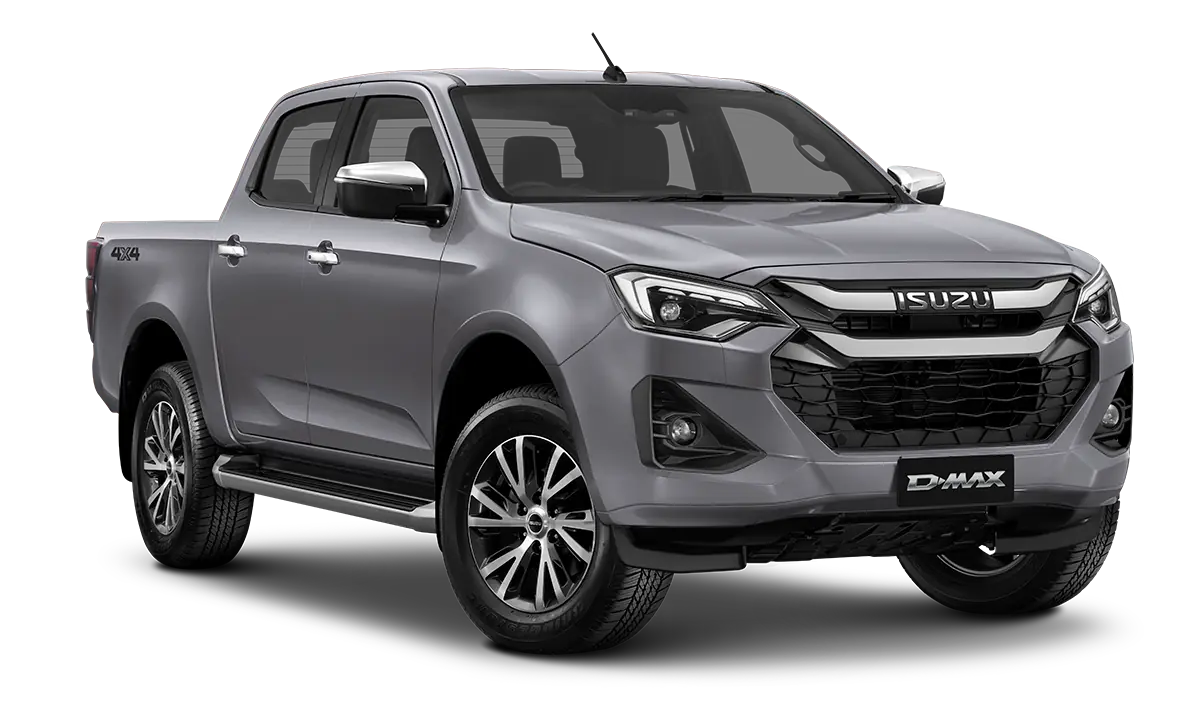
Isuzu 4JJ3
Engine and supported automatic transmission tuning for the 3.0L 4JJ3 platform, including towing and everyday driveability.
View 4JJ3 Tuning →ECU remapping and TCU / transmission tuning for diesel 4WDs, utes, towing and performance vehicles from Bunbury and across South West WA.
Based in Donnybrook and servicing Bunbury and the wider South West, we tune and test suitable cars, diesel 4WDs, utes, towing vehicles, European and performance vehicles, and light commercial applications at the workshop.
Explore detailed information for some of the platforms we regularly support. Exact ECU and transmission compatibility is confirmed from the individual vehicle before booking.
Engine and supported automatic transmission tuning for the 3.0L 4JJ3 platform, including towing and everyday driveability.
View 4JJ3 Tuning →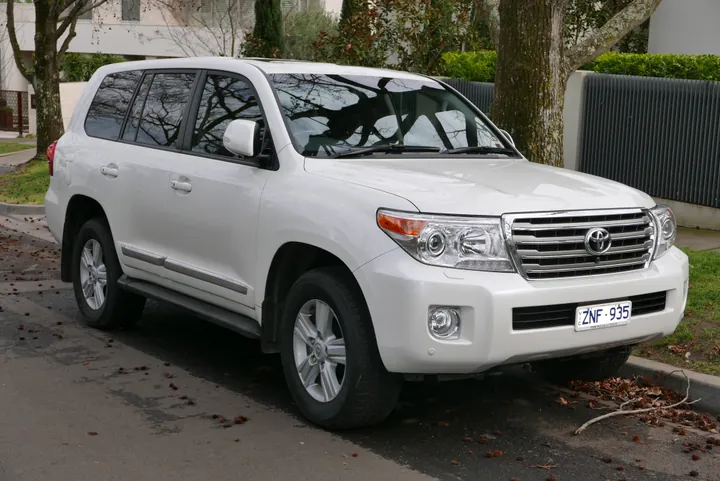
Complete engine, shift and converter calibration for everyday driving, touring and towing.
View 200 Series Tuning →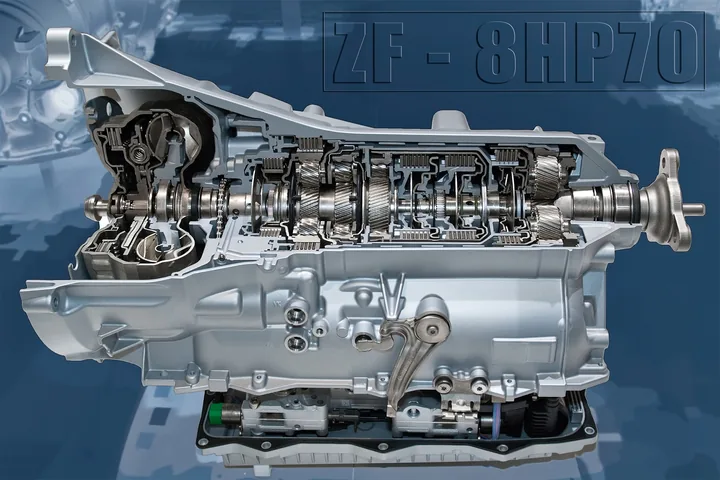
Shift, torque-management and converter calibration for supported ZF 8-speed applications.
View ZF 8HP Tuning →Don't see your vehicle? Send us the year, make, model, engine and transmission and we'll confirm support.
Enquire About My VehicleThese featured guides are only a selection. We tune many other supported vehicles from our Donnybrook workshop.
Application-focused ECU tuning and remapping for improved drivability, torque delivery, throttle response, usable power and appropriate fuel economy.
Transmission calibration designed to improve shift behaviour, torque-converter strategy and the way the powertrain works as a package.
Engine data and diagnostic information are used to assess how the vehicle is operating before and after calibration, helping us confirm the result and fine-tune the setup where required.
Construction or civil machinery enquiry? View Construction & Civil
All vehicle services must comply with applicable road-use, environmental, safety and competition-use requirements. Underlying mechanical, sensor, wiring or emissions-system faults must be repaired before calibration proceeds; calibration does not repair failed components.
Every job starts with the vehicle, its condition and the outcome you actually need.
Provide the make, model, year, engine, transmission, modifications, intended use and what you want improved.
We confirm suitability and the required programming method. Any underlying faults must be repaired before calibration.
At our Donnybrook workshop, the vehicle is programmed, checked and road logged where required so the finished result suits the application.
ECU tuning recalibrates selected settings within the vehicle’s engine control software. Depending on the vehicle and intended use, this can improve torque delivery, throttle response, drivability and overall engine performance.
The calibration should suit the vehicle, its mechanical condition and how it is used.
We do not operate an in-house dynamometer. We use engine data logging to assess the vehicle before and after calibration under real driving conditions and make further adjustments where required.
Customers who specifically need measured dyno results can be referred to a suitably equipped performance workshop.
A properly developed calibration should remain within sensible operating limits for the engine and drivetrain.
Tuning cannot compensate for poor mechanical condition. Existing engine, cooling, fuel-system or transmission faults should be repaired before calibration proceeds.
Fuel economy may improve when additional torque helps the vehicle maintain speed with less throttle or fewer transmission downshifts, particularly during steady driving and towing.
Fuel savings cannot be guaranteed. Vehicle weight, driving style, load, tyre size, terrain and how the additional performance is used all affect consumption.
TCU calibration is available for selected vehicles and control units. Depending on the application, it can improve shift behaviour, torque-converter operation, gear selection and how the transmission works with the engine calibration.
Send us the vehicle details and we’ll confirm availability.
Many standard jobs can be completed within the same day. Timing depends on the vehicle, ECU access method, initial checks, data logging and whether calibration revisions are required.
Some ECUs require bench access rather than programming through the diagnostic port, which can add time.
In most cases, yes. We normally retain or obtain the appropriate original software so the ECU can be returned to its standard calibration where supported.
Returning the software to standard does not necessarily erase programming records or guarantee that previous calibration changes cannot be identified.
A manufacturer or dealer may question warranty coverage where they believe a modification contributed to a failure. This does not automatically mean every part of the vehicle loses warranty coverage, but each claim can differ.
Owners of vehicles under factory warranty should consider this before proceeding and seek independent advice where warranty coverage is a major concern.
No. We tune suitable cars, diesel 4WDs, utes, towing vehicles, European and performance vehicles, and light commercial vehicles.
Underlying mechanical, wiring, sensor or emissions-system faults must be identified and repaired before calibration proceeds.
Calibration does not repair failed hardware or hide an existing fault. Send us the vehicle details and current fault information so we can confirm the appropriate next step.
The potential improvement depends on the engine, ECU, factory calibration, fuel system, turbocharger, transmission and existing modifications.
We’ll discuss realistic expectations before proceeding. Without dyno testing that particular vehicle, any power or torque figure remains an estimate rather than a measured result.
Yes. Relevant engine data and fault information are reviewed before calibration begins. Road logging or additional checks are used where required.
If an underlying fault is found, calibration pauses until the vehicle is repaired.
Data logging records information reported by the vehicle while it is operating, such as boost pressure, fuel pressure, airflow, temperatures, engine load and torque requests.
We use this information to assess engine operation and refine the calibration where required.
That depends on the vehicle and calibration. Most customers notice stronger torque, improved throttle response and less effort when accelerating, overtaking, towing or climbing hills.
The aim is a more capable and responsive vehicle that remains easy to drive normally.
Usually, provided the modifications are suitable, correctly installed and supported by the ECU strategy.
Tell us about any intake, exhaust, turbocharger, injector, intercooler, transmission or other performance changes when enquiring. Some modified vehicles require additional inspection, logging or specialist dyno development.
No. Some vehicles support programming through the diagnostic port, while others require direct ECU access using bench or boot procedures.
We’ll identify the likely process before beginning and advise if ECU removal or additional work is required.
The calibration is based on the software installed at the time of tuning. A later dealer software update may overwrite the calibration and return the ECU to standard.
Contact us before authorising an ECU software update so the available options can be discussed.
In some cases, yes. Modern ECUs may record programming events, software information or operating data that indicates the ECU has been altered.
Do not assume that a calibration is invisible to a manufacturer or dealership.
We’ll explain what the data shows and pause calibration if the vehicle is not operating correctly. The underlying fault should be repaired by an appropriate repairer before tuning continues.
Send the vehicle’s year, make, model, engine and transmission, along with current modifications, intended use, known faults and what you would like to improve.